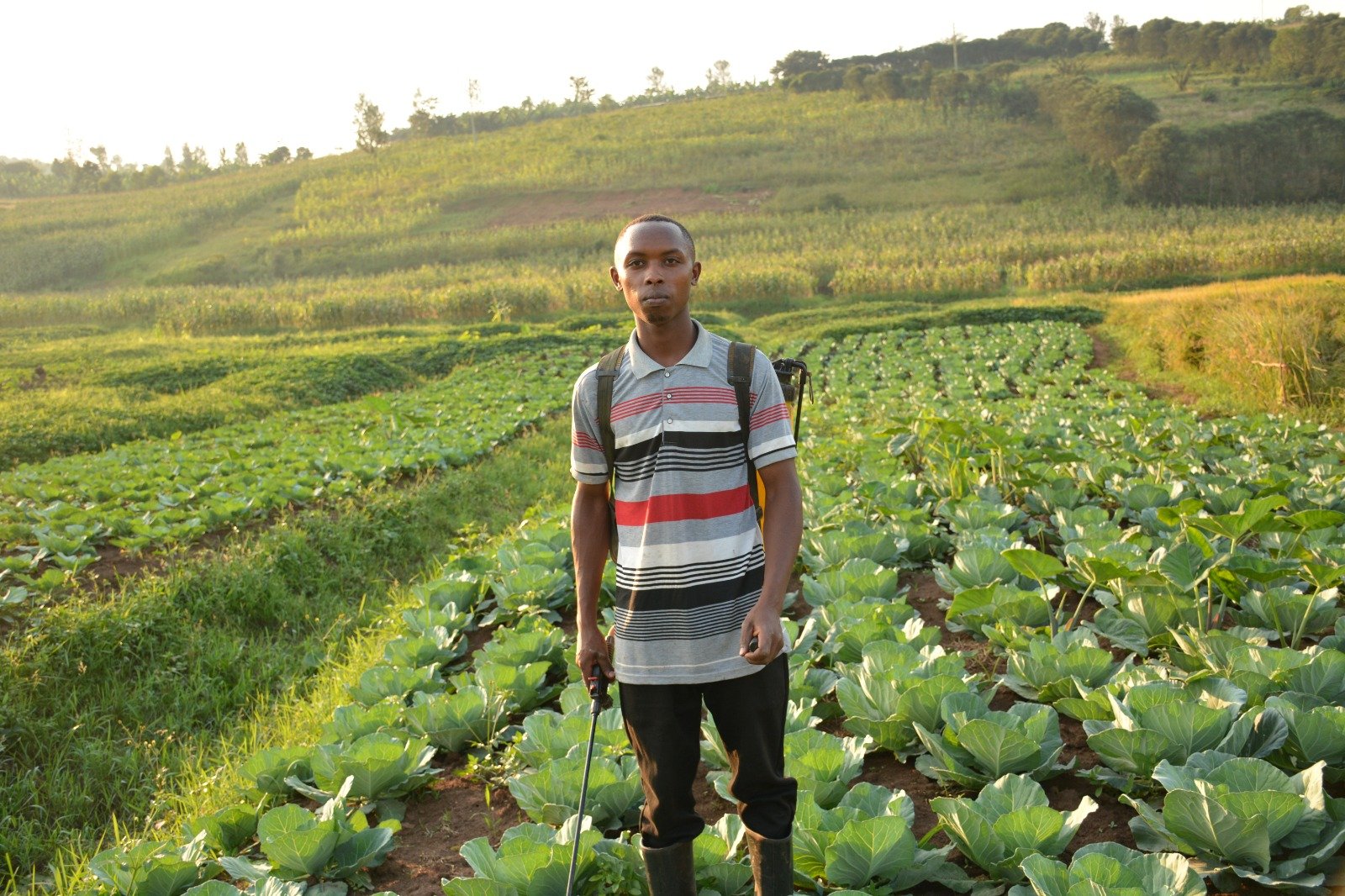
As the saying goes, “it takes a village to raise a child”. But for most single mothers, it only takes one woman: A woman with no formal education, no formal job, and to make matters worse even no husband! Her child becomes the only hope she clings on.
But, what does it truly look like to bear responsibility with no resources?
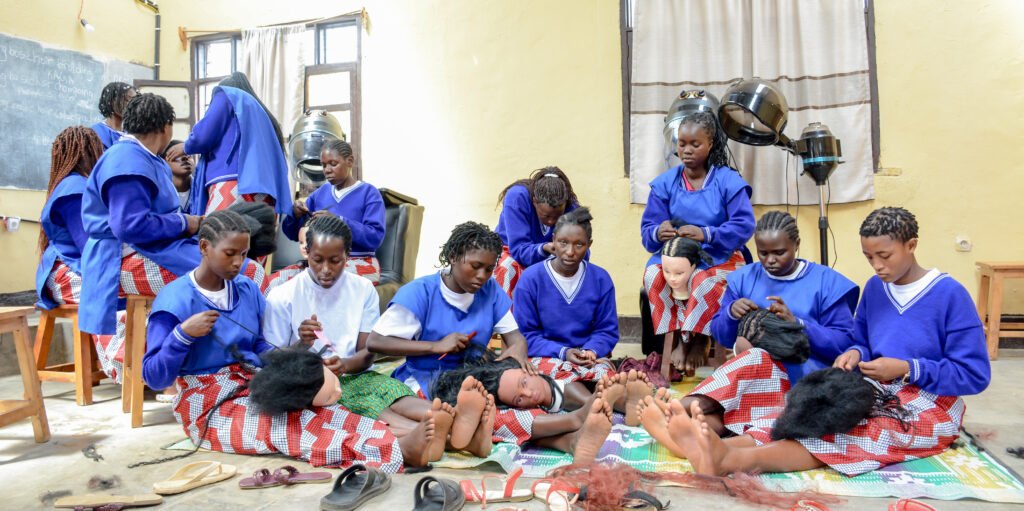
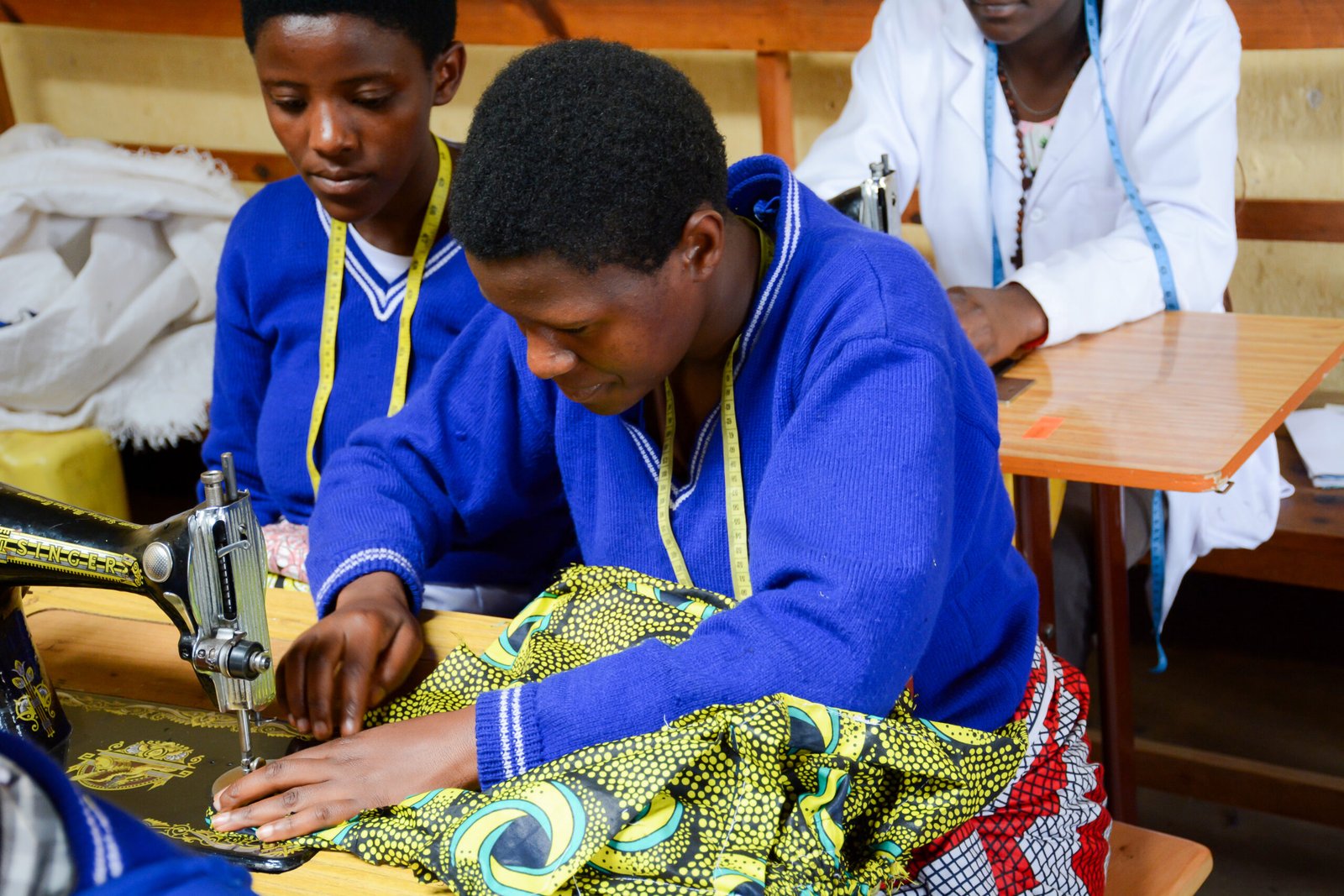
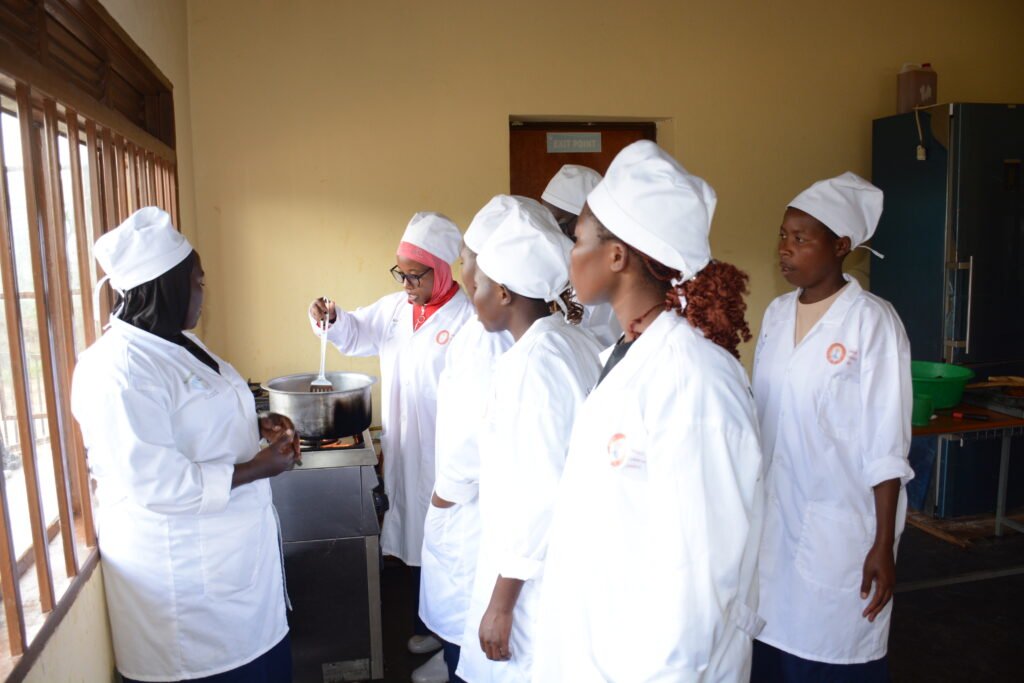
On April 14th, 2026 JUC launched a women empowerment project in the District of Ngororero. 100 single mothers enrolled into vocational training of their choices, dispatched among culinary arts, hairdressing, and tailoring.
Before their enrollment into JUC’s program, these women survived on informal trading and casual works. They used to walk long distances with baskets of fruits, vegetables, bricks or second-hand clothes selling hoping to make their end-meet like that. They worked under constant pressure, often chased from the streets because street-vending is considered illegitimate in Rwanda. Yet every day they returned, not because they wanted to break the law, but because hunger left little room for alternatives.
“When I could not find any work, especially during the dry season, I would go to the swamps to carry molded bricks. One brick was Rwf 5. Because I did not have enough strength, I could only earn around Rwf 1000 a day, after carrying nearly 500 bricks. I also had to carry my baby with me, whenever the baby cried, I would stop working, sit down, and take care of him first. Living without anyone to support you is extremely difficult. My mother is the only one who did not abandon me,” said Cyiza Uwizeyimana, one of hairdressing beneficiaries.
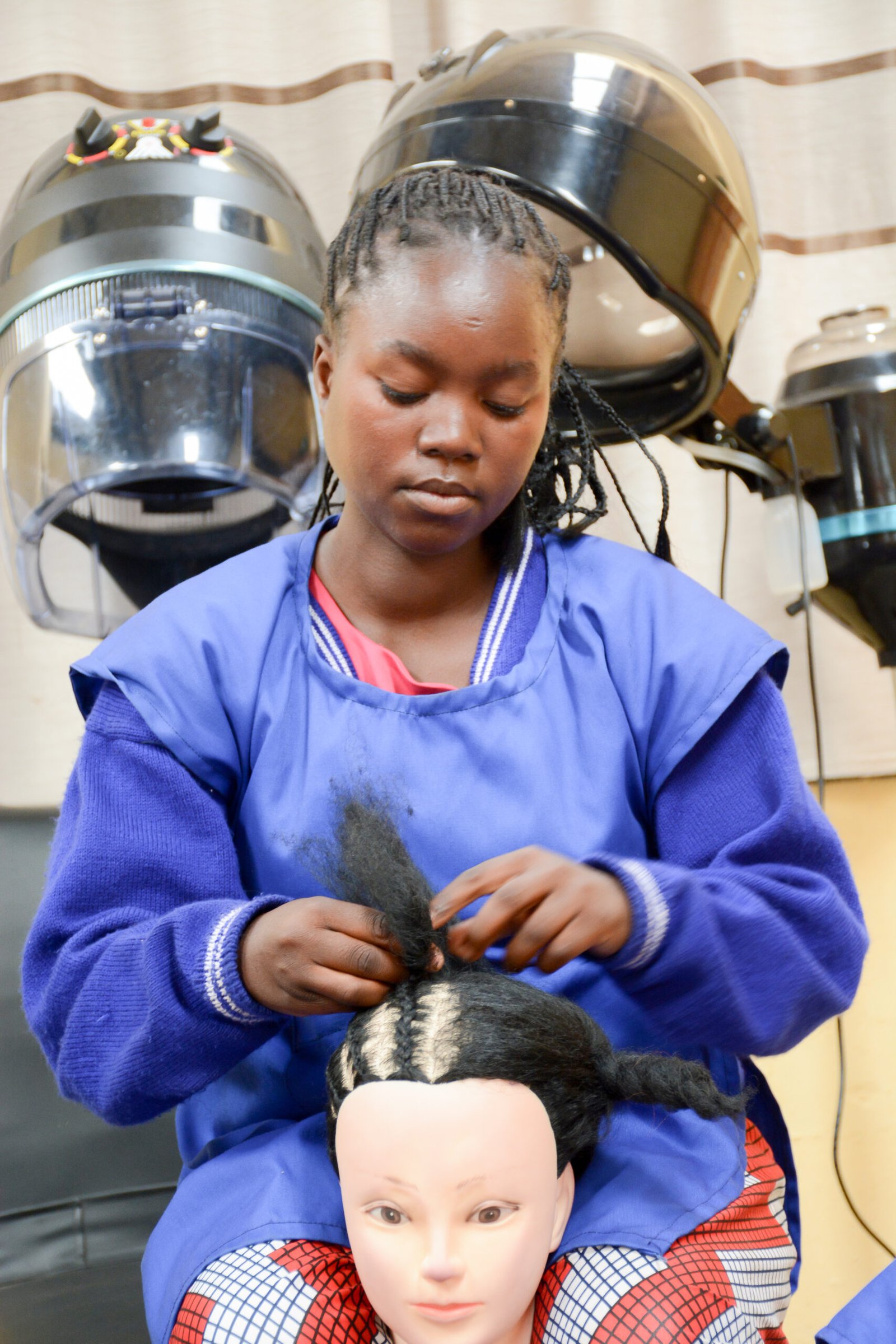
Today, however, their history is beginning to change. Inside the training workshops, transformation is already visible. Women who once doubted their abilities are now learning how to design clothes, braid hair professionally and prepare quality meals. They are not only acquiring technical skills; they are rebuilding confidence that poverty had slowly eroded.
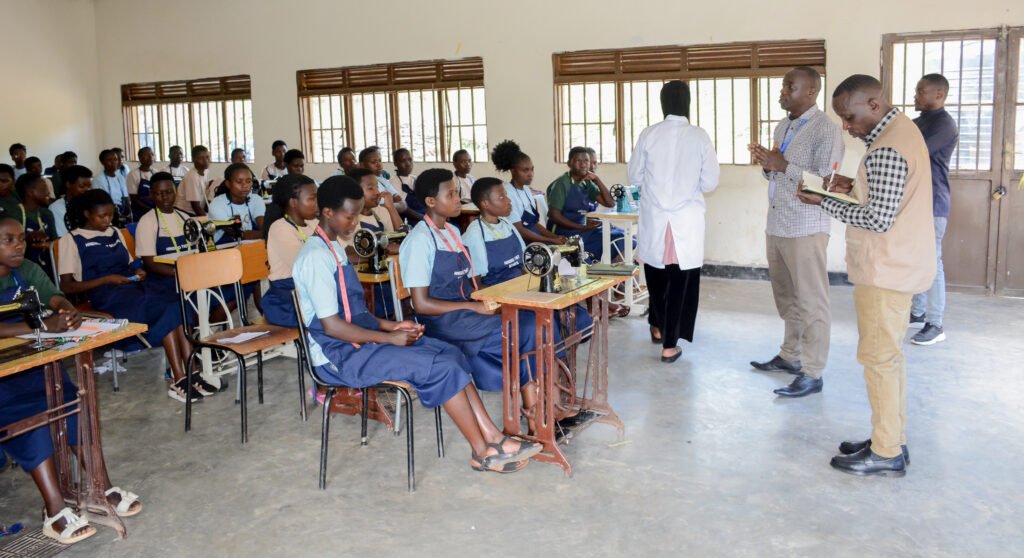
This program recognizes that economic vulnerability is deeply connected to social challenges. That is why participants will also receive training in entrepreneurship, financial literacy, leadership, and conflict resolution. They will be grouped into Savings and Internal Lending Communities (SILCs), allowing them to save collectively, access small loans, and support one another as they begin income-generating activities after graduation.
“By God’s grace, I was selected as one of the beneficiaries of this project. At first, my family did not fully understand this opportunity. They asked me how I could stop doing casual work and go back to studying when I had a child to care for. They also wondered who would look after the baby. I explained to them that the project would provide us with support, and that I could rely on that assistance,” said Alice Tuyishimire, one of tailoring beneficiaries.
This initiative will also create safe spaces for dialogue about domestic violence, human rights, gender relations, and family harmony–issues that often remain hidden behind closed doors but affect women’s wellbeing and economic stability.
This holistic approach reflects a powerful truth: empowering women is not only about equipping them with skills; it is also about restoring the entire system in which they live.