The Jesuit Urumuri Centre's (JUC) fruit tree planting initiative in Ngororero District seeks to demonstrate how environmental conservation can contribute not only to healthier surroundings but also to children's nutrition, education, and overall well-being.
For this vision to become a reality, however, planting the trees is only the first step. Their survival and productivity will depend on the commitment of the people entrusted with caring for them.
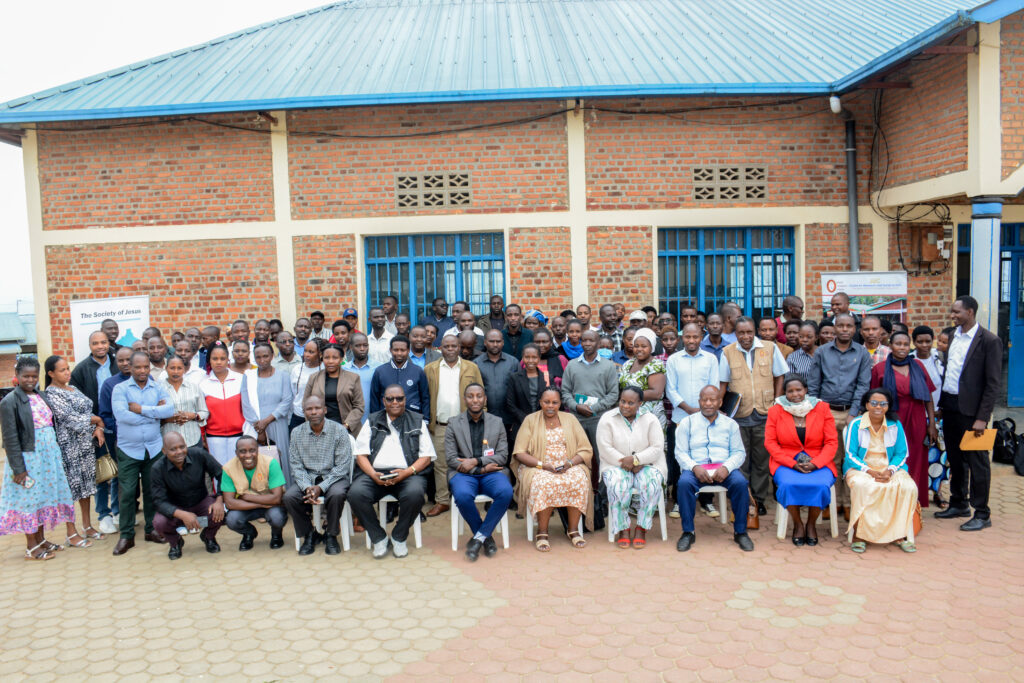
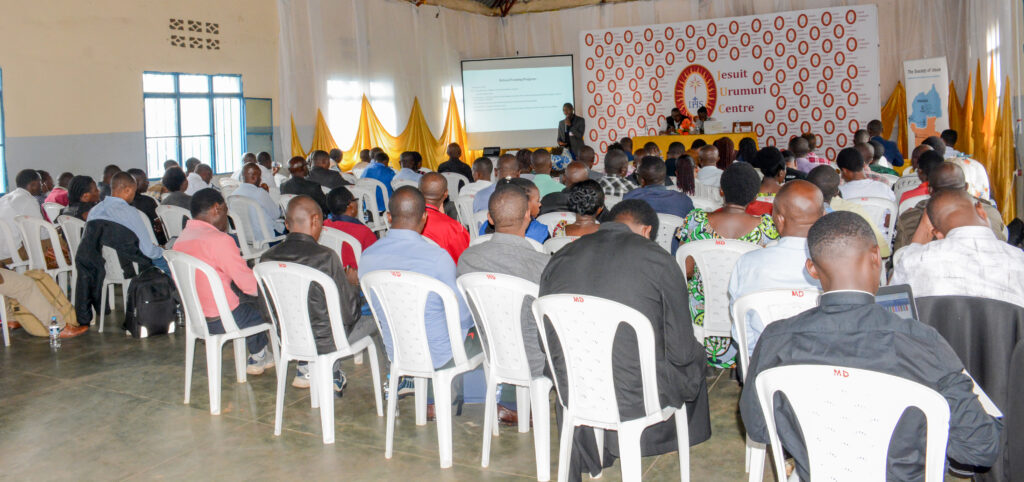
Recognizing this responsibility, JUC brought together 60 environmental club facilitators and 30 school administrators from its partner schools on 30 October for training on environmental conservation and the proper management of fruit trees. The training aimed to equip participants with practical skills needed to care for the trees once they are distributed to schools.
Through the planting of mango, orange, and avocado trees, JUC hopes to make school gardens more productive while creating opportunities for students to learn about environmental responsibility through practical experience.
This initiative is also geared towards strengthening the role of environmental clubs in secondary schools by promoting environmental awareness and encouraging students to take an active role in protecting their surroundings.
Mr. Bienvenu Eugène RUGIRA, S.J, the Assistant Director of JUC, emphasized that the success of the project will largely depend on the ownership demonstrated by partner schools.

“What is expected of you as partner schools can be summed up in one word: ownership. You need to see these trees as your own, because they belong to you and to your children. Our shared goal is to improve the well-being of Rwandans, and for us to achieve that, you should take ownership of these initiatives and make them your own,” he said.
Mrs. Petronille MUSABYINGABIRE, the representative of the Education Unity in Ngororero District, echoed this message, reminding participants that donor-funded projects require local commitment if their benefits are to be sustained.
For Ngororero District, the initiative also represents an opportunity to demonstrate how partnerships can respond to community needs while creating lasting benefits for future generations.
Mrs. Donathille NYIRANSENGIMANA, the Ngororero District Joint Action Development Forum (JADF) Coordinator, commended JUC for introducing an initiative that promotes fruit tree planting and the productive use of school gardens. She urged participants to take care of the trees and serve as role models for others to follow.
To translate these commitments into action, Mr. Jean Claude Ntakirutimana, Project Officer at JUC, encouraged school environmental clubs to establish regular routines for monitoring and caring for the trees.
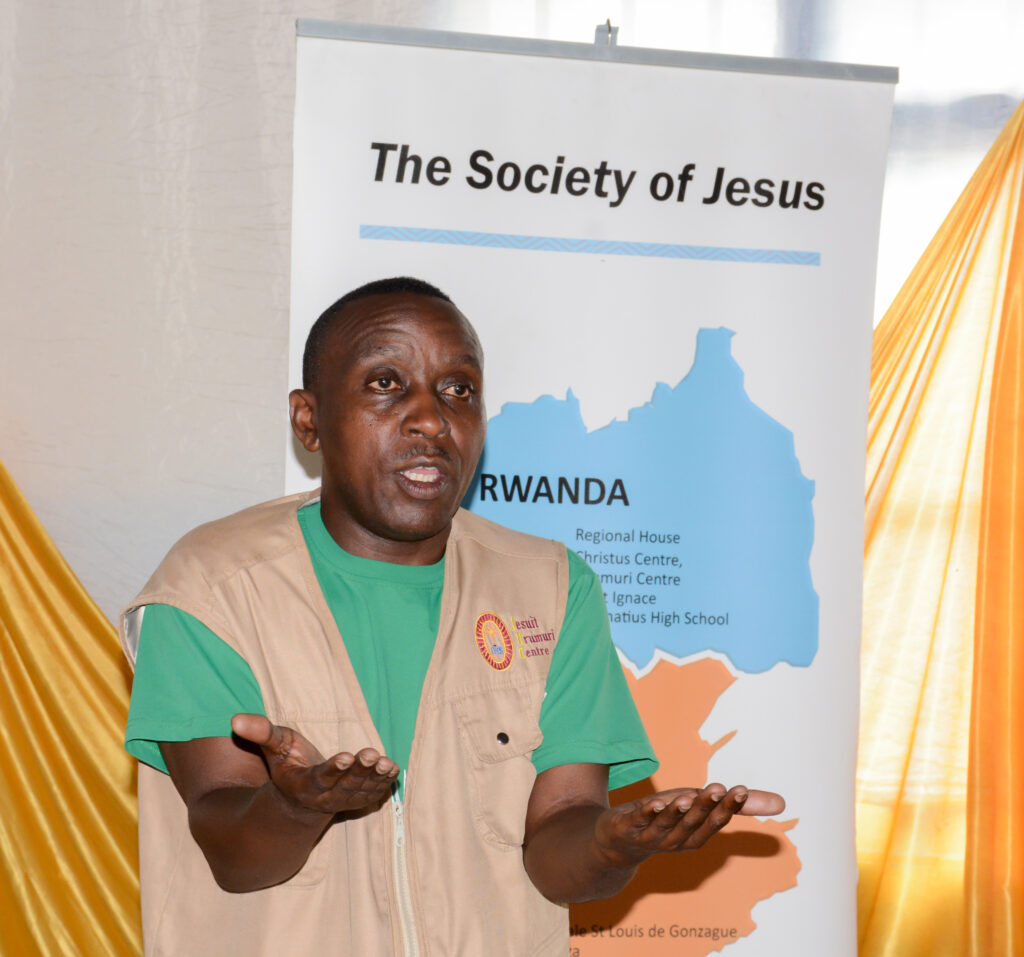
“Every partner school has an environmental club, and these clubs should play an active role in taking care of the fruit trees. Each club should set aside a specific day every week to visit the trees, check on how they are growing, and ensure that good agricultural practices are maintained. This will give students an opportunity to learn through practice, understand the importance of caring for the environment, and, most importantly, develop a sense of ownership”.
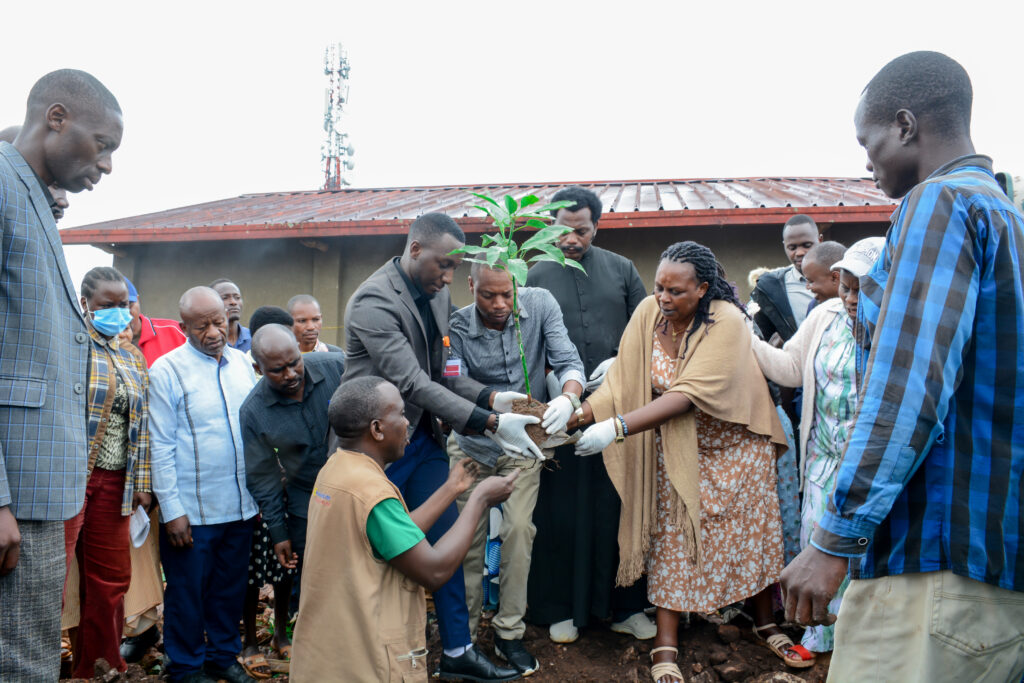
The training followed field visits conducted to assess the availability of land in schools, leading to the selection of 30 partner schools for the initiative. At the end of the training, participants also planted a tree, putting their newly acquired knowledge into practice and symbolizing their commitment to the initiative.
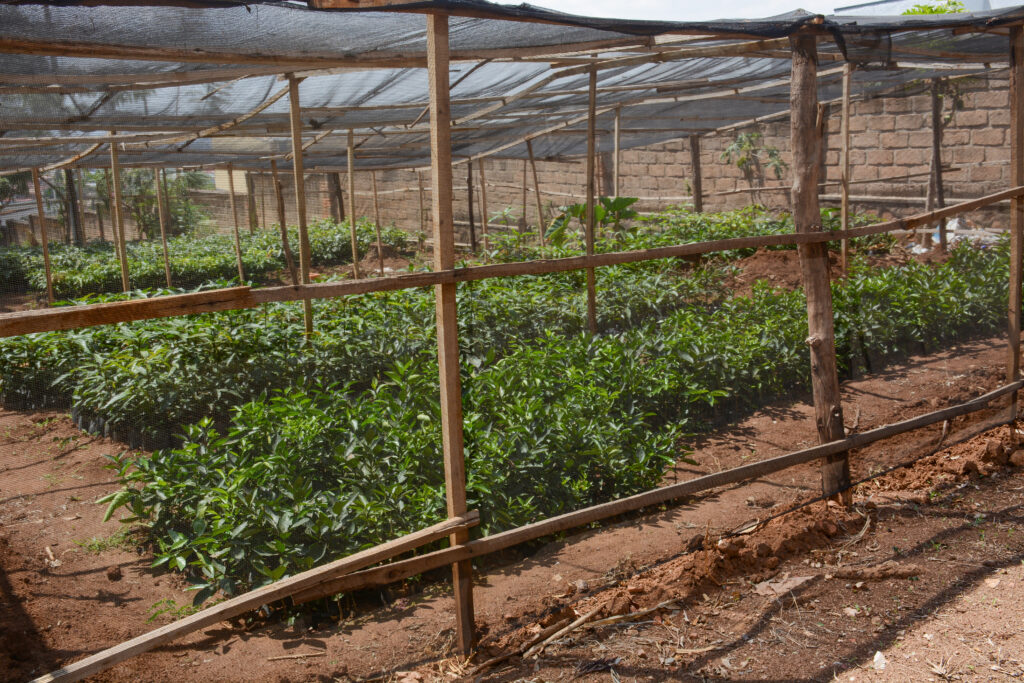
With each school expected to plant more than 50 fruit trees, the project has the potential to create greener environment, contribute to improved school feeding inputs, and provide a sustainable source of support for children from vulnerable families.